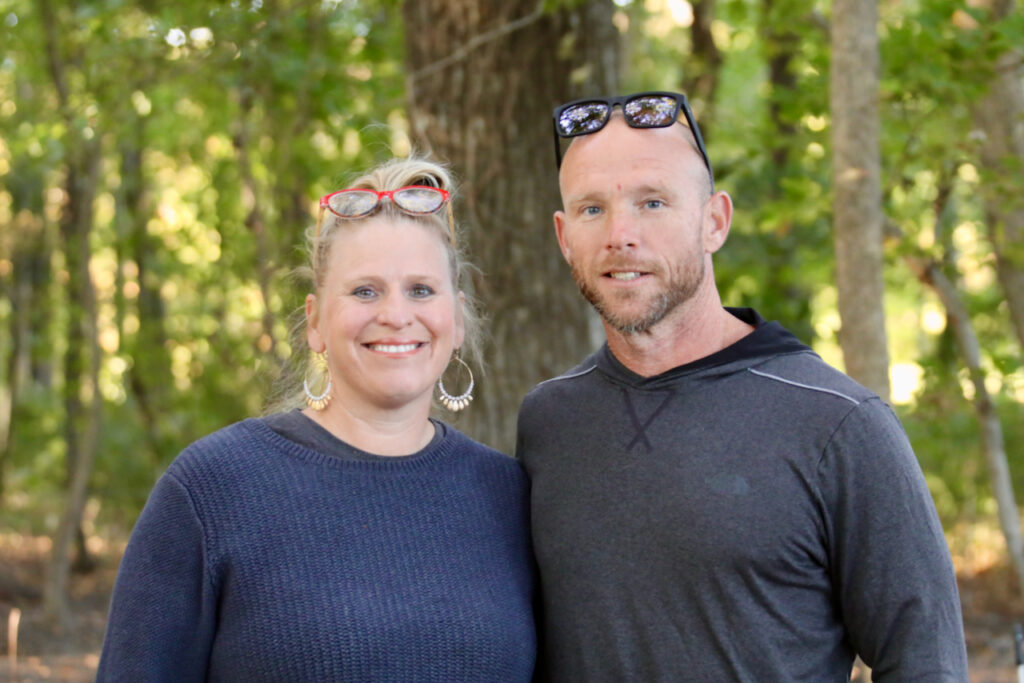
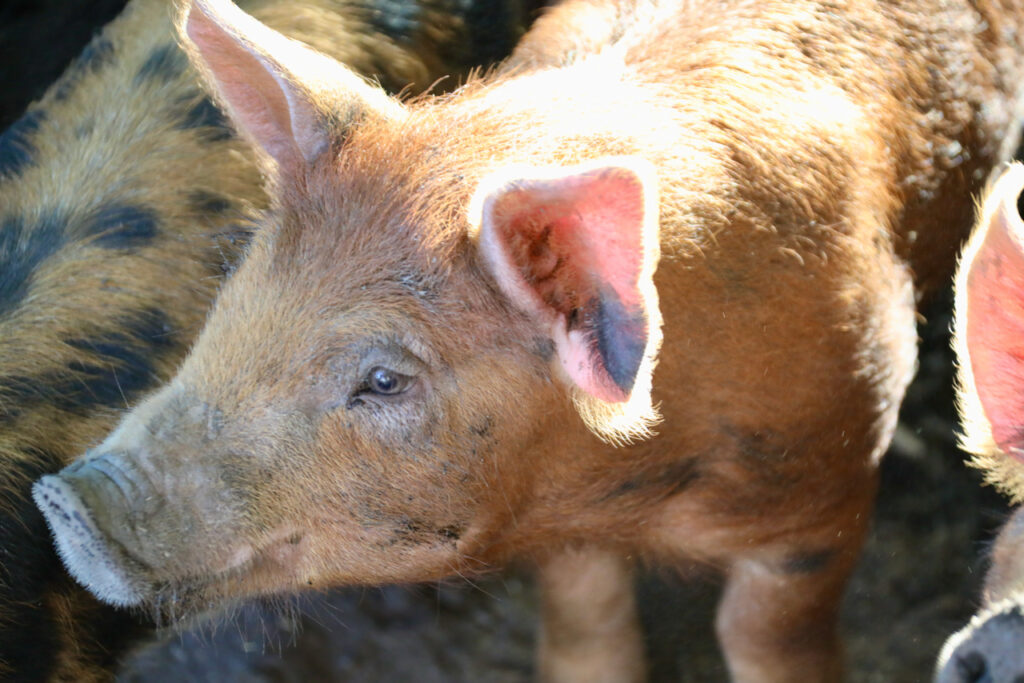
ture practices to farm meat on 33 acres in Creeds. Regenerative farming aims to conserve farmland by keeping it both productive and in harmony with nature. What the Farm is being assessed to make sure techniques bring results. [John-Henry Doucette/The Princess Anne Independent News]
Ed. — Archived from the Sunday, Nov. 3, print edition.

CREEDS — A family farm in rural Virginia Beach is doing many smart things I’ve been writing about over the years, placing regenerative agriculture techniques at the forefront of its approach.
Did the family behind What the Farm in rural Creeds get into this way of doing things to get rich? No. They’re using sustainable approaches to meat farming in the southern city because these techniques are a way to help build a healthier food system and healthier people.
I’m not the only person who has noticed this effort to farm with the land and avoid practices that can damage soils over time.
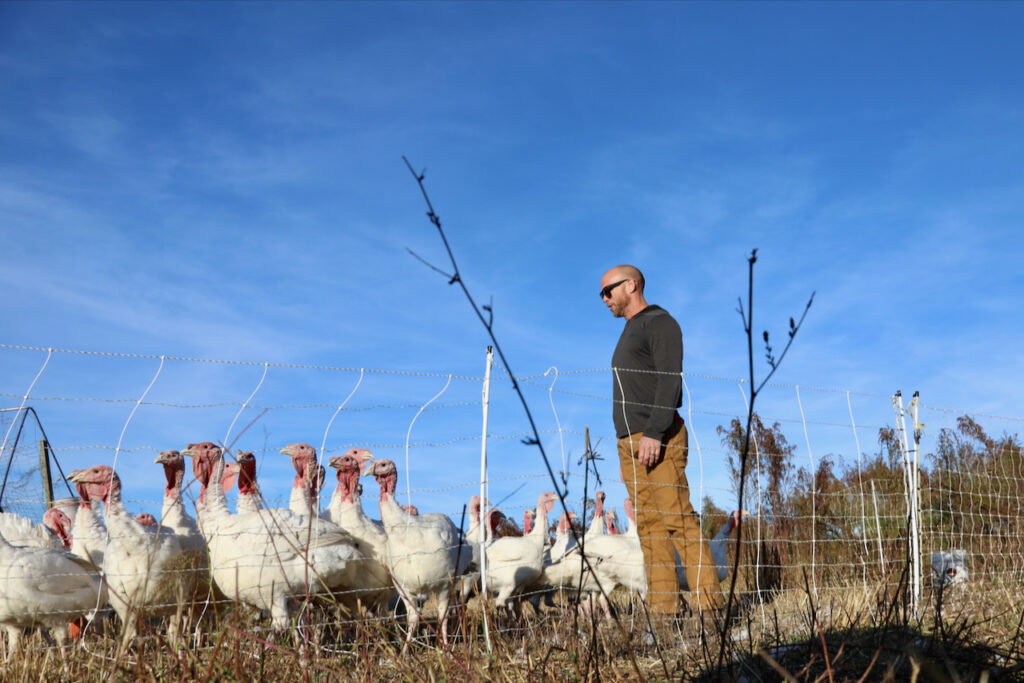
Virginia Dare Soil and Water Conservation District recognized Chris and Kelly Shepherd of What the Farm this year with the clean water farm award. It’s a big honor and recognition of the good work the Shepherds are doing on 33 acres along Morris Neck Road, where they raise cattle, pigs, lambs, turkeys and chickens.
Regenerative agriculture involves using techniques that are in harmony with nature, taking care in how animals are raised and working to ensure soil is cared for and strengthened. I’ve written about such efforts over the years, often in terms of sustainability, but regenerative agriculture has gained traction among people who are concerned about avoiding exploitation of resources that can ruin the land we need.
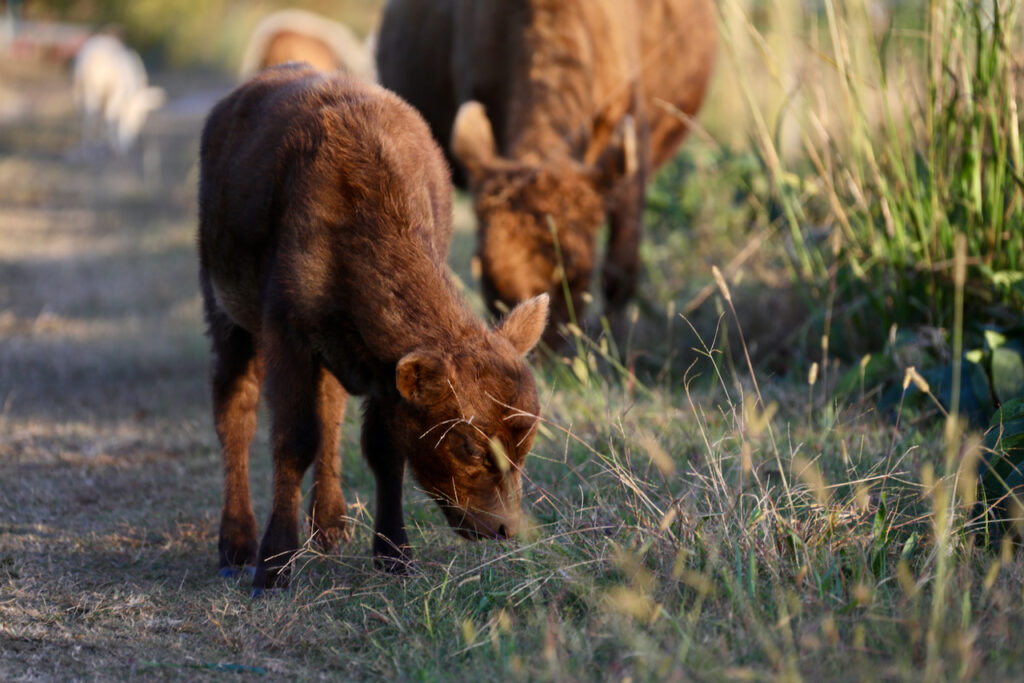
She and her husband are aligned with goals of the Savory Institute, an international nonprofit organization that builds upon the efforts of founder Allan Savory, who worked to reverse degradation of land in Africa. It uses a worldwide framework developed to assist people who want to practice regenerative farming in a consistent way with structures and tested techniques.
Secondly, they have mentors for their new venture — ones that really know their stuff. It is a different way of thinking to avoid quick fixes to challenges customary in farming and trust that holistic practices will pay off in the long term while, as any farmer hopes, paying enough in the present.
They are getting good advice on such things as what cover crops to plant and when, how many animals to put on how much land and how often to move livestock to keep the plants healthy and the pasture intact. Of course, the animals are also getting healthy and living more naturally. In this system the soil is improved.
“They are doing soil testing,” Kelly Shepherd said, “but a lot of it is you can see what the soil is doing by what’s growing on top of it.”
The couple started six years ago, with no prior farming experience in either of their families. They began on seven acres, but were able to acquire another 26 acres next to their property — and there are traditional crop fields being worked nearby. Initially, assessment scores with the Savory Institute were very low because the land previously had been used to produce corn, wheat and soybeans.
“It was like dust,” Kelly Shepherd explained.
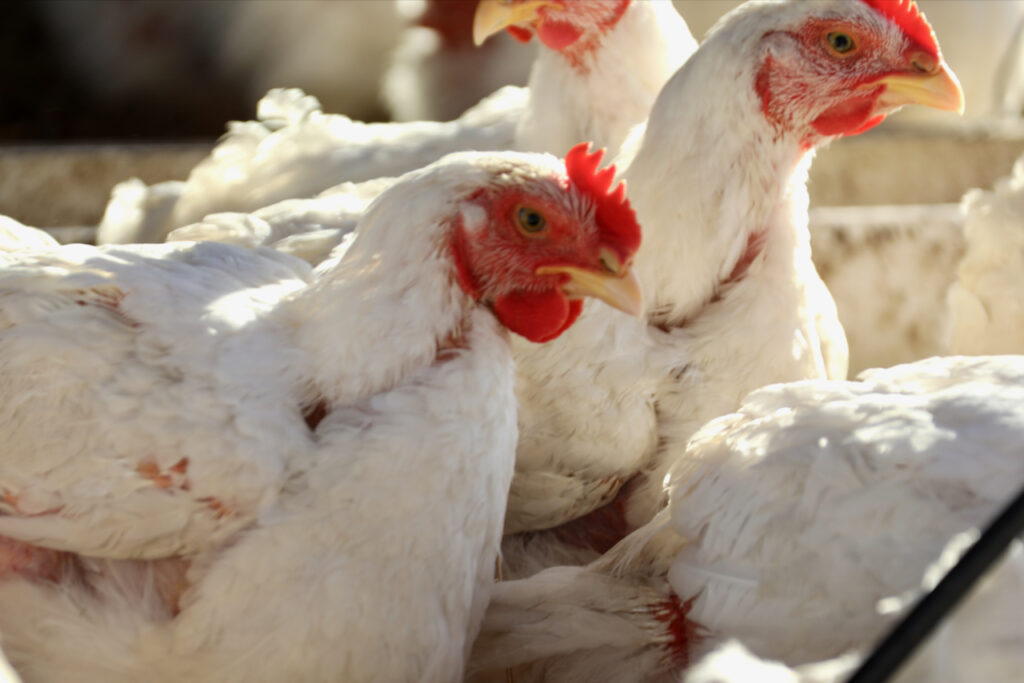
In addition, they are learning how to “stack” the enterprises — different kinds of livestock — so that each animal and enterprise supports the others in a way that is beneficial to the whole farm ecosystem. The goal is to increase productivity while increasing soil health.
“This kind of farming is a team sport not a competition,” Kelly Shepherd said. “We want to see more farmers serving less people.”
This way of thinking leads to a more robust local food system. I believe more opportunities like this — and affordable land available to potential farmers, even small acreage — would mean more people might jump into agriculture in ways that benefit our communities and ensure the future of local food production.
While transferring livestock from one grazing area to another, the Shepherds gave simple reasons for this approach.
“Knowing where your food comes from,” Kelly Shepherd said.
“Just giving people healthy, clean food,” Chris Shepherd said, “that is good for the environment.”
The author is a farmer and consultant who writes about sustainable farming and gardening. Reach him via farmerjohnnewearth@yahoo.com.
© 2024 Pungo Publishing Co., LLC

